Table of Contents
Wayne County Courts, IL *

Wayne County is located in southern Illinois and is home to approximately 16,000 people, with Fairfield as its county seat. The residents, businesses, property owners, visitors, and the governmental bodies of Wayne County are served by the Wayne County Circuit Court, within the Second Judicial Circuit of Illinois. This court addresses everything from traffic citations and small claims court to serious felony crimes and domestic disputes. The county's judicial bodies not only defend legal rights but also enforce the law, thereby reinforcing the belief that the court system delivers a just result.
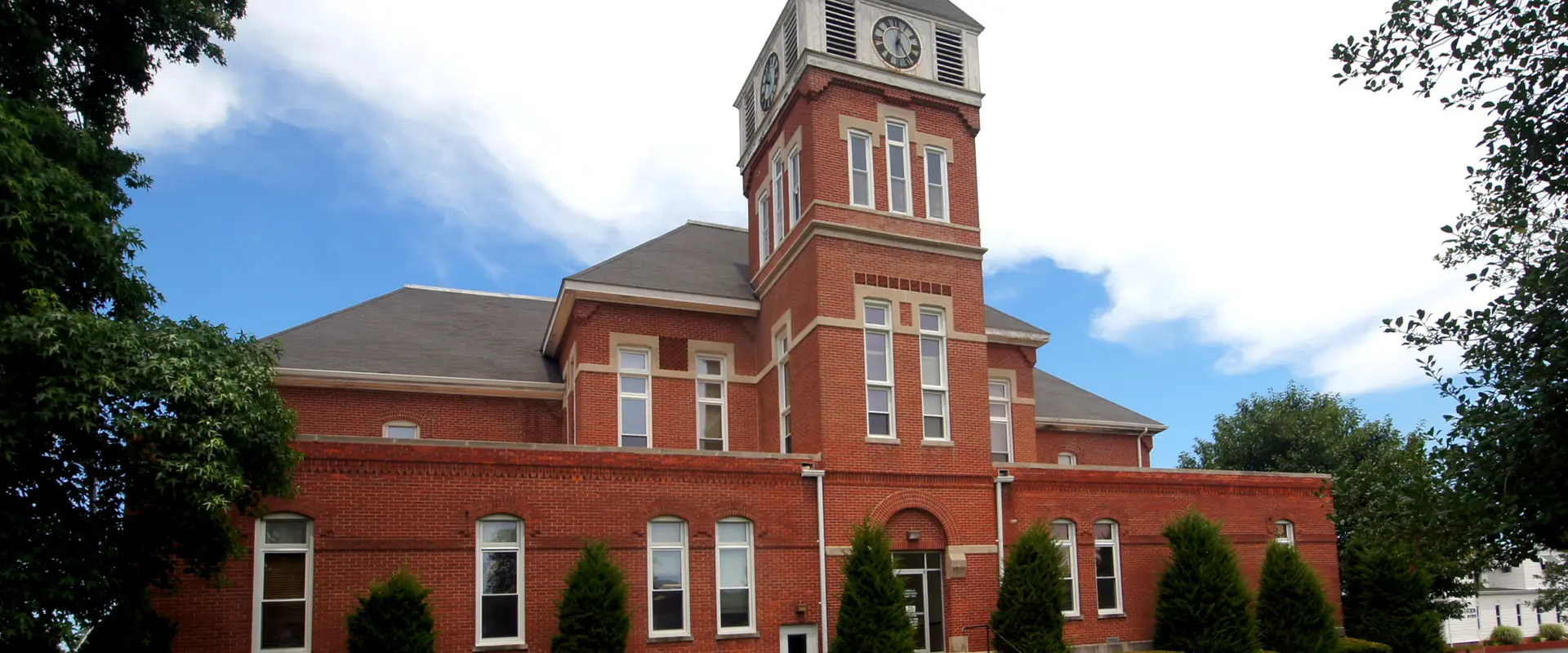
The Wayne County Courthouse, based in Fairfield, is where the county's court administration will take place. Inquiries, file submissions, court hearings, certified copy requests, and general procedural information can all be handled at the courthouse by the Clerk of the Court. Civil, criminal, probate, juvenile, traffic, and domestic relations issues will be addressed as appropriate for Wayne County residents.
Overview of the Wayne County Court System
The Wayne County Court System operates under the Illinois judicial branch, with Wayne County served by the Illinois Second Judicial Circuit Court. Illinois uses a unified court system where the Circuit Court is the trial court of general jurisdiction. Wayne County essentially uses the Wayne County Circuit Court to handle all local court matters, whether civil, criminal, family, probate, juvenile, or traffic. Typically, appeals from a Wayne County Circuit Court case are filed in the Illinois Appellate Court and, less often, an appeal may go to the Illinois Supreme Court.
The Wayne County Courthouse in Fairfield is the administrative center of Wayne County courts. Information for filings, management of court records, scheduling of cases and hearings, and administration of the judicial process are handled at the courthouse. The Circuit Clerk manages court files, handles filings, receives court costs and fees, and informs the public about court procedures. The County Clerk and Recorder manages many of the county's records, some of which could potentially be helpful to researchers, genealogists, lawyers, and property owners.
Types of Courts in Wayne County, Illinois

It is important to know which court handles a certain type of legal issue because if the case is brought to the wrong court, it may face delays, additional expenses, or even rejection. While some counties may have several types of trial courts, Wayne County uses the unified system that has been in place for most local trial cases since Illinois joined the Union.
 Circuit Court
The Wayne County Circuit Court is a trial court of general jurisdiction and original jurisdiction for Wayne County. The Circuit Court handles all issues that arise in the county.
Its jurisdiction includes:
- Felony criminal cases
- Misdemeanor criminal cases
- Civil lawsuits, including small claims cases
- Divorce cases and all related matters, including child support and custody
- Probate of estates
- Guardianships
- Juvenile cases
- Traffic violations
- Orders of protection
The Wayne County Circuit Court is the hub of litigation in Wayne County, as it handles all matters in the county. Judges will hold motions, hear evidence and other aspects of cases, conduct hearings and bench trials, preside over jury trials, and render judgments. Because of its small population, the Wayne County Circuit Court is not split into court divisions. They hold regular court throughout the year for criminal cases, civil cases, juvenile matters, and other issues.
Main location: Wayne County Courthouse
How to Access Wayne County Court Records

Most records of Wayne County courts are available to the public. But certain court records may not be accessible through public request due to legal limitations. These include juvenile proceedings, adoption proceedings, some mental health cases, and court-sealed documents, which are confidential to protect privacy.
It is now more convenient to locate court records than in past years because information can be retrieved online, allowing many users to search for court cases from anywhere without visiting the county courthouse. However, in-person visits may be needed when requesting certified copies of records, older records, and restricted information. Charges may be applied for making copies of records or for large searches.
 Online Access
Illinois citizens who require court records may use the re:SearchIL portal, the state-wide tool for accessing court records available online. On that website, users can find case information, schedules, forms, and various court documents. Before completing a search, users should gather identifying information about the subject of the search. Identification information may consist of the case number, party names, date of filing, attorney names, citation number, and date of birth, where applicable. This is essential because accurate search information provides for more rapid and accurate results.
 Alternative Online Options
Official court systems may be intimidating for someone with little or no prior experience. CourtCaseFinder gathers information from publicly accessible records across a wide range of sources to provide quick, efficient access to public court records. It may be useful if an individual needs to find the record of a court case, criminal filing, divorce, or civil suit, and doesn't know where to find it. This alternative online platform may also be beneficial when one is searching for various court records, and navigating through the official system is overwhelming.
 In-Person Requests
Persons seeking a certified copy of a record, an old record, or any records not found online should visit the office of the Wayne County Circuit Clerk at the courthouse to make an in-person request. The staff at the clerk's office will be able to assist them in finding the following types of records:
- Physical files
- Older case records archived by the court
- Certified copy of a record
- Probate records
- Court orders and judgments
The more identifying information that they have concerning the case file they are looking for, the easier it will be to find the record. Case numbers and names of all parties involved, attorney information, or dates of filing will all be helpful.
 Archived Records
There are old and historical court records that are still in paper format and are archived at the Wayne County Courthouse or sent to the State Archives. These old files might be useful to researchers, historians, genealogists, landowners, attorneys, and the general public. Citizens can access these records through the Illinois Regional Archives Depository System (IRAD) or the Circuit Clerk's office at the courthouse. Retrieving these records might require extra time, and one may need to make a formal request to the clerk's office before coming in.
For Attorneys and Legal Professionals
Legal professionals and lawyers practicing in Wayne County are generally familiar with all aspects of its procedure, scheduling methods, administration orders, and court procedures. While the Illinois Courts generally operate under a statewide set of rules, practice and procedure may vary between counties in scheduling motions, courtroom conduct, the procedure for hearing a motion, and rules for filing documents with the court. It is recommended that attorneys ensure they review the local rules of the court before appearing.
Attorneys practicing outside the Second Judicial Circuit need to get acquainted with the local court rules, learn where to access court files, and court schedules. Having knowledge of the statewide Illinois e-filing rules and local practice and procedure regarding scheduling and courtroom assignments is beneficial for avoiding unnecessary delays. The Circuit Clerk's office can help with procedural questions and requests for certified records and court services; therefore, they should coordinate with the clerk's office.
How to File a Case in Wayne County

The filing of a lawsuit or other legal proceeding in Wayne County can be complex. Failure to comply with certain rules of procedure regarding the forms to be used, the place where they should be filed, where the opposing party is to be served, or any filing fee to be paid can cost time and money. Hence, the knowledge of how a case should be filed can eliminate common errors.
Step 1: Choose the Correct Court
Almost all local legal matters are handled in the Wayne County Second Judicial Circuit Court. Although the county has only one Circuit Court, different categories of cases are managed according to their subject matter. Civil matters, criminal actions, family law, probate matters, juvenile matters, and traffic violations each have their own rules and regulations that govern their legal proceedings. Prospective filers should attempt to clarify the nature of the legal issue before filing suit. Researching and understanding the local court system and the rules of procedure provided by the Circuit Clerk can help establish proper initial filing. The Circuit Clerk staff is always available to help residents with questions about court jurisdiction.
 Step 2: Complete Required Forms
The second step is to access the filing forms and complete them accurately. The Illinois Second Judicial Circuit Court Forms page provides access to various state-approved forms, including civil, criminal, juvenile, probate, family law, and order-of-protection forms. Persons, especially those representing themselves, can access the documents through the Illinois Legal Aid Form Library, which provides printable forms and assistance with their preparation. Each section must be filled out accurately, as misfilled or incomplete forms are likely to be rejected, delaying the proceedings. All documents that should accompany the filings should be compiled in advance.
 Step 3: File the Case
The completed set of documents will be submitted to the Wayne County Circuit Clerk at the courthouse. All civil cases must be filed electronically through the statewide eFileIL system. Exceptions may be made on occasion, but filers must verify which rule applies to their situation before making their filing. Each document should be reviewed thoroughly before submission to ensure that no errors were made in the filing process. Once the case is filed, the court will assign a unique case number to track it throughout its life cycle. The filers should keep copies of every document, receipt, and confirmation they receive when they file.
 Step 4: Pay Filing Fees
All fees must be paid when submitting the filing documents in Wayne County. Other fees are almost certainly involved, such as a summons fee, a certification fee, service costs, and the like. Each fee amount can and will vary depending on the type of suit being filed, so the filer should inquire at the Circuit Clerk's office about the exact amount needed before making the filing. Anyone who is struggling financially should apply for a filing fee waiver and submit proof of financial hardship to the court. The court will review this application and decide whether to waive or reduce the court costs.
 Step 5: Serve the Other Party
After the complaint has been filed, the parties must officially notify the opposing party through a procedure known as service of process. The opponent can be served by the sheriff, by an official process server known to the filer to be authorized under Illinois law, or by other persons authorized by law. Proper service is important because the court will not consider the case unless notice has been properly served on the parties. Records of how and when it was done must be filed with the court to prove that it was completed, so the judge may verify that the opposing party received notice of the lawsuit.
 Step 6: Monitor the Case
Once all parties have been served with notice, they will want to check the case regularly. Lawsuits usually include hearing dates, motions, deadlines for filing, court orders, and changes to court dates that may be scheduled for the most disparate reasons. With the assigned case number, the filer can monitor the progress of their lawsuit through the re:SearchIL portal or by contacting the circuit clerk's office. It is crucial to monitor the case, as failure to notice a deadline, file required documents, or attend scheduled hearings can negatively impact the case.
Wayne County Courthouse Directory
Wayne County Courthouse
The hub of county operations, housing the county's circuit court and administrative offices, including the offices of the Circuit Clerk and the County Clerk & Recorder. Criminal prosecutions, civil trials, probate, juvenile, and family matters will come through this courthouse, as well as traffic and court record requests. Individuals with legal matters can record documents, attend hearings, get certified copies of court records, and receive help with procedures here.
Fairfield
Address: 301 E. Main St., Fairfield, IL 62837
Circuit Clerk: (618) 842-7684
County Clerk & Recorder: 618-842-5182
Email: waycoclerk@waynecountyil.gov
Website: Wayne County Courthouse
Legal Help and Self-Help Resources
Local, state, and non-profit entities provide assistance to individuals requiring legal guidance, information, referrals, or assistance with legal procedures. Free or low-cost legal assistance may be helpful for those litigating without representation (pro se), as well as for veterans, seniors, scholars, people with disabilities, or those with unusually complicated legal questions.
 Free Legal Assistance
Many residents with insufficient income receive free civil legal services from Land of Lincoln Legal Aid. These free services include housing assistance, family law matters, consumer rights enforcement, domestic violence and abuse assistance, public benefits eligibility, and services to seniors. In addition, Illinois residents may utilize Illinois Legal Aid Online to obtain free legal forms, instructional articles, do-it-yourself advice, and information on court filings.
Eligible veterans, active-duty military personnel, and their families may receive legal assistance through the Illinois Armed Forces Legal Aid Network (IL-AFLAN), which connects them with pro bono attorneys. Seniors can receive legal assistance through state and local agencies with programs funded by the Illinois Department on Aging and its legal aid partners. Procedural assistance, such as obtaining court forms, filing instructions, and court information, is available from the Wayne County Circuit Clerk's Office.
 Local Legal Support
Wayne County residents can search for appropriate private attorneys through Lawyer Finder, a service of the Illinois State Bar Association. Residents of Wayne County also have access to numerous local legal clinics and pro bono programs that provide free or low-cost legal representation and referrals for a wide array of problems, including housing disputes, consumer rights issues, probate matters, and domestic issues. These include the DuPage Bar Legal Aid Service, offering help with bankruptcy, estate planning, divorce, and criminal cases, and Prairie State Legal Services, which helps with civil rights, consumer, and criminal cases. There is also the Wayne County Legal Self-Help Center, which provides free and low-cost legal assistance to local residents and is suitable for self-represented individuals.
FAQs
How do I find a Wayne County court case?
Most publicly accessible court cases can be located with online court resources, which include the re:SearchIL portal, managed by the Wayne County Circuit Clerk's office. Having case numbers, party names, or filing dates will likely aid the search. If a case can't be found online, one should contact the Circuit Clerk's office for additional resources to locate the relevant case.
Are court records in Wayne County public?
Most court records are considered public information under Illinois law. However, certain court documents and files are sealed or restricted for various legal and privacy reasons. Such cases include most juvenile and adoption proceedings, many mental health cases, and records ordered sealed by a judge.
Does Wayne County offer the option for people to file a small claims case?
Yes. Wayne County has a process in place for filing small claims, which are handled by the Wayne County Circuit Court. These processes are designed to help people settle qualifying disputes that do not exceed a certain monetary limit. It is advisable to consult any of the specific small claims procedures required by Illinois law through the Illinois Legal Aid Online.
When might I need to use a third-party records service?
A third-party service can be incredibly helpful if one is unsure which jurisdiction houses the record and if the court system they are searching is not the one where the record can be found. Resources such as CourtCaseFinder allow users to locate public records across jurisdictions, compiled from various sources.
What if my case doesn't show up when I search online?
There are various reasons why not every court case may show up on the internet: it may be restricted, it may have been filed only recently, or it may not yet have been processed and entered into the database. If the search does not yield results for the appropriate cases, contacting the Wayne County Circuit Clerk's office may be the most productive route.
Other Counties in Illinois
- Adams
- Alexander
- Bond
- Boone
- Brown
- Bureau
- Calhoun
- Carroll
- Cass
- Champaign
- Christian
- Clark
- Clay
- Clinton
- Coles
- Cook
- Crawford
- Cumberland
- Dekalb
- Dewitt
- Douglas
- Dupage
- Edgar
- Edwards
- Effingham
- Fayette
- Ford
- Franklin
- Fulton
- Gallatin
- Greene
- Grundy
- Hamilton
- Hancock
- Hardin
- Henderson
- Henry
- Iroquois
- Jackson
- Jasper
- Jefferson
- Jersey
- Jo Daviess
- Johnson
- Kane
- Kankakee
- Kendall
- Knox
- La Salle
- Lake
- Lawrence
- Lee
- Livingston
- Logan
- Macon
- Macoupin
- Madison
- Marion
- Marshall
- Mason
- Massac
- Mcdonough
- Mchenry
- Mclean
- Menard
- Mercer
- Monroe
- Montgomery
- Morgan
- Moultrie
- Ogle
- Peoria
- Perry
- Piatt
- Pike
- Pope
- Pulaski
- Putnam
- Randolph
- Richland
- Rock Island
- Saint Clair
- Saline
- Sangamon
- Schuyler
- Scott
- Shelby
- Stark
- Stephenson
- Tazewell
- Union
- Vermilion
- Wabash
- Warren
- Washington
- White
- Whiteside
- Will
- Williamson
- Winnebago
- Woodford
Table of Contents
