Table of Contents
Cass County Courts, IL *

Cass County was founded in 1837, making it one of the oldest counties in the state. The courts have records dating back to this time. The county seat is located in the city of Virginia. The county is part of the 8th Judicial Circuit of Illinois that encompasses other counties such as Adams, Brown, Calhoun, Cass, Greene, Mason, Menard, Morgan, Pike, Schuyler, and Scott. The Circuit Court is the county's trial court and has general jurisdiction over all the major legal matters in the county. Some of these legal matters include criminal cases, divorce and child custody cases, property disputes, and traffic violations.
The 2020 census showed an urban and rural mix of around 13,000 residents. This mix influences the type of cases that the courts in Cass County hear. Common cases coming from the rural areas include timber rights, agricultural contracts, hunting regulations, and property boundary disputes. Other cases heard in the courts include civil disputes, criminal matters, landlord-tenant conflicts, divorce and custody matters, and traffic tickets.
Overview of the Cass County Court System
Cass County follows the unified trial court system of Illinois. All trials, including civil, criminal, family, and probate, flow through the Circuit Court structure. The court handles every case at the county court level, meaning separate municipal or county courts do not exist. The Circuit Court operates in the Cass County Courthouse in Illinois. A weekly schedule exists that changes based on the case types filed. The Circuit Clerk's office manages public business and all inquiries regarding the court system.
The Illinois court system is layered with the circuit courts at the bottom. They handle all original trials and most administrative decision appeals. The next layer with higher jurisdiction has the Appellate Courts organized by district. Cass County is part of the 4th Appellate District. The Supreme Court sits at the top of this court structure and has seven judges presiding over most cases.
Types of Courts in Cass County, Illinois

Cass County operates a unified trial court system, which means all trials for civil, criminal, family, and probate are handled in the same Circuit Court at the Cass County Courthouse. Residents should begin by understanding the nature and complexity of their case so that they can know where to file.
 Criminal Court
The Criminal Court is a division of the Circuit Court and handles both felonies and misdemeanors in Cass County. Cases heard in this court include:
- Felony charges
- Misdemeanors and petty offenses
- Drug offenses
- Theft and assault
- DUI offenses are rising to the felony level
Bond hearings, plea arrangements, and sentencing for felony criminal charges take place in this court division.
 Civil Court
The Civil Division of the Circuit Court handles disputes between private parties in the county. Some of the cases the court handles include:
- Civil disputes up to and not exceeding $50,000
- Small claims below $10,000
- Contract disagreements
- Landlord-tenant issues
- Propery disputes
- Personal injury claims
Hearings happen on the 2nd Tuesday of every month, and those that go beyond the monthly schedule are set individually by the assigned judge.
 Probate Court
This court is technically part of the Circuit Court, but it operates somewhat differently in practice. Some of the cases the court handles include:
- Administration of the deceased individual's estate
- Validation of wills
- Guardianship cases for adults who are incapacitated
- Conservatorship proceedings
The Probate Act of 1975 governs these proceedings, and cases can range from simple estate filings to contested will disputes that require full hearings before a judge.
 Family Court
This court is also part of the Circuit Court and is procedurally involved, especially if minors are part of the equation. Some of the cases the court handles include:
- Divorce proceedings
- Child custody and visitation disputes
- Child support orders
- Orders of protection
Under the Illinois Marriage and Dissolution of Marriage Act, the court employs the ‘best interests of the child standard' when making custody determinations.
 Juvenile Court
This court operates as part of the Circuit Court and handles only matters that involve minors. Some of the cases the court handles include:
- Delinquency matters
- Child neglect or abandonment cases
- Child abuse cases
The court treats records in this case with heightened confidentiality. The Clerk's office indicates that it cannot publicly discuss proceedings in this court and cannot provide the public with access to records related to juvenile cases. If one needs to access these records, they need to work with an attorney to help them do so.
 Traffic and DUI Court
This court operates as part of the Circuit Court and meets on the 2nd and 4th Thursdays of every month. Some of the cases the court covers include:
- Standard moving violations
- License issues
- DUI charges
- Minor traffic violations
Specific case facts determine which court will hear the case. Thus, one should speak to an attorney before assuming that the case will stay in the Traffic Court.
How to Access Cass County Court Records

Most court records in Illinois are accessible to the public. Citizens should collect all necessary information for their case type to avoid delays, and accessing court records associated with their case can help litigants prepare themselves. Some of the options residents can use to access court records are:
 Online Access
The primary online portal is Cass County records. Because records from 1998 are indexed electronically on the website, residents can search for court records using their case number or name. Litigants can view the court docket and search active and closed cases. These records can also contain details of the case history in some instances.
 Alternative Online Options
Cass County residents can access court records on the county's official website, but if they do not find what they need, they can use CourtCaseFinder, which aggregates court case records from all counties in Illinois. Such a tool can be helpful to a litigant if they want a faster search interface when checking case history across multiple jurisdictions. One should not use this tool as a substitute for official records, especially when they need certified copies.
 In-Person Requests
Cass County has made it easy for residents to access county court records by visiting the courthouse in person and speaking with the clerk, who will need to see the ID of the requester. The court advises litigants to arrive early to ensure the clerk processes their requests on time.
 Archived Records
The County was founded before the digital age, meaning that one cannot access records predating 1998. To obtain these records, one needs to contact the Circuit Clerk's office to help them arrange a search. The Illinois Regional Archives Depository (IRAD) preserves some older records for counties in the state and organizes them by case type. The Illinois State Archives maintains this repository.
For Attorneys and Legal Professionals
The Circuit Court says practitioners must file civil cases on the e-filing system Odyssey E-File IL. Attorneys also have the option to use re:SearchIL to access case information from multiple jurisdictions, which is the official statewide portal managed by the Administrative Office of the Illinois Courts. All they need to do is log in to the portal using their credentials.
One can request criminal background checks directly through the Circuit Clerk's office. Practitioners can only access impounded and confidential records if they obtain a formal court order. This rule was set by the Supreme Court with the objective of making sure that the courts in the county have a uniform standard of access. It ensures that inconsistencies do not exist when labeling documents from one county to another.
How to File a Case in Cass County

According to Illinois law, citizens can file a case and represent themselves in court. Before proceeding, residents should understand the nature of their case and all the nuances of how the courts operate. The following are the main steps litigants should follow.
 Step 1: Choose the Correct Court
Before litigants file anything, they should first determine whether they have selected the right court based on their case type. Because Cass County courts operate under the Illinois unified court system, the general rule for this step is to file cases based on the location. For instance, litigants should file civil cases where the incident occurred, family law cases in a location where at least one of the parties resides, and probate cases where the deceased person lived.
 Step 2: Complete Required Forms
Illinois Legal Aid Online has standardized forms that one can download and use when filing their case. Common case type forms include divorce, small claims, and orders of protection on this platform. Residents should hire an attorney who will help them draft the proceedings if their case is complex in nature. While the clerk's office can help one determine the forms they need for their case, they cannot offer legal aid or fill out the case forms.
 Step 3: File the Case
In Cass County, one should file civil cases through the Odyssey eFileIL system. Private individuals cannot initiate criminal cases; those are done by the State's Attorney's office or by law enforcement, but individuals can file their case, especially small claims, in person at the Cass County Courthouse. The clerk will need to see one's ID and other necessary documents and verify them; once everything is in order, they will stamp the filing date on the documents.
 Step 4: Pay Filing Fees
Illinois statute sets the fees for cases based on the type. A rough benchmark litigants can follow is that fees for small claim filings run from around $50 to $150, depending on the amount in dispute. Civil cases with large dollar amounts can have considerably higher fees, which one can confirm with the clerk when filing. The clerk's office has a fee schedule for this purpose. Residents can apply for a fee waiver by filing an Application to Sue or Defend as a Poor Person with the court if they cannot afford to pay these fees. The judge will decide based on one's income and the federal income threshold.
 Step 5: Serve the Other Party
According to Illinois law's service of process, litigants should notify the other party. Residents have various alternatives to meet this requirement; they can ask a constable, sheriff, or licensed private server to deliver the papers to the other party. If one cannot locate the defendant, they can request the judge to publish a notice in the local newspaper, then confirm with the clerk the specific deadlines for completing the service after filing. Once the service of process is completed, the litigant should present proof to the court.
 Step 6: Monitor the Case
Once the service of process is completed, one will receive a hearing date. Litigants should note this date and ensure they track other updates online. They will receive automatic notifications if they filed electronically through the Odyssey eFileIL system. Contacting the courthouse to check for updates with the clerk is another alternative for staying up to date. If a defendant misses the scheduled hearing date, the judge can dismiss the case or enter a judgment against them.
Cass County Courthouse Directory
Cass County Courthouse
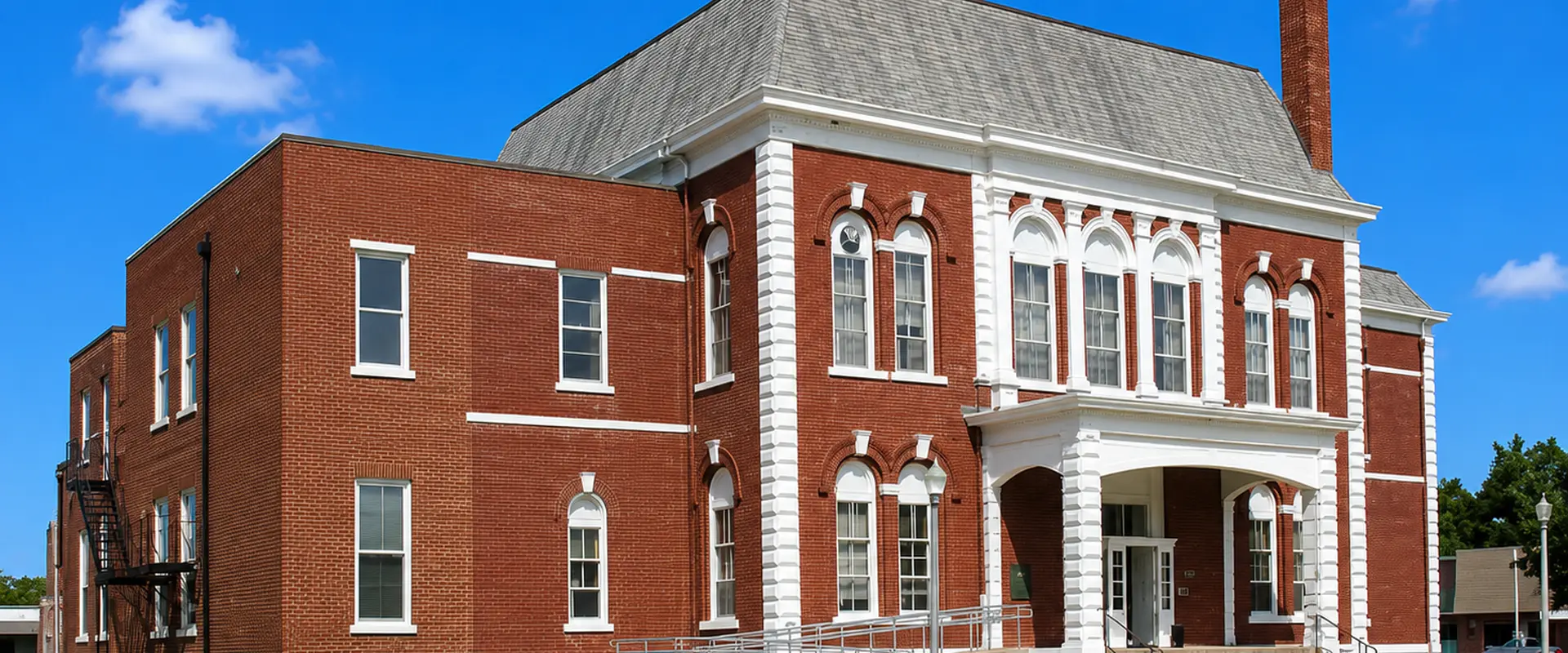
All Cass County court functions operate in a single courthouse. This courthouse houses the Circuit Court for the 8th Judicial Circuit of Illinois. Several court divisions operate here, including the Criminal Court, Civil Court, Family Court, Probate Court, Juvenile Court, and Traffic and DUI Court.
Virginia
Address: 100 E. Springfield Street, Virginia, IL 62691
Phone: (217) 452-7225
Website: casscountyil.gov
Legal Help and Self-Help Resources
Residents in Cass County have multiple legal help resources at their disposal. Below are some of the options that low-income citizens use to get free legal assistance.
 Free Legal Assistance
Since not everyone can afford an attorney, Illinois Legal Aid Online is a good starting point for Cass County residents. Several resources are available on this website, including free forms, guided interviews, and plain language explanations of Illinois law. A non-profit maintains the website, and it's designed to help individuals represent themselves in court. Cass County residents can also get free legal assistance from the Land of Lincoln Legal Assistance Foundation. The foundation offers low-income residents free civil legal services, such as help with family law matters, housing, and public benefit issues.
 Local Legal Support
The Crisis Center Foundation serves the Cass County area by offering free legal advice to residents who are dealing with domestic violence or who need an Order of Protection. The Prairie Center Against Sexual Assault in Springfield helps residents who contact them with sexual assault matters. The Cass County Circuit Clerk's office has a designated Court Disability Coordinator who helps residents who need advice and guidance with disability accommodation proceedings.
FAQs
Are Cass County records public?
Under Illinois law, most court records are open and accessible to the public. Supreme Court Rule 8 highlights several exceptions when accessing court records. For instance, records designated as impounded are only accessible to the parties of records, while confidential, sealed, or expunged records require one to obtain a court order in order to access them. Juvenile delinquency cases, adoptions, and certain family law matters where safety concerns exist are not accessible to the public.
Where can one obtain vital records in Cass County?
One can obtain birth, death, and marriage records by visiting the clerk's office. Birth and death certificates cost $15 for the first certified copy, while the first certified copy for death certificates costs $19. Cass County residents can also place their order online on the Department of Public Health's Division of Vital Records. Residents should plan for a long wait time for a mailed request, which could take several weeks to process.
How can a person access divorce records in Cass County?
The Cass County Circuit Clerk maintains divorce records. Residents can send a written request to the clerk's office. Divorce records in the county are public, but records and annulments before 1962 are not publicly accessible. One can access certified copies for use in legal name changes and remarriage for a fee. Marriage and divorce records before January 1962 exist as an index only, which residents can use for verification purposes that the event occurred, but they cannot obtain certified copies.
Are court records available for online viewing in Cass County?
Yes. The Administrative Office of the Illinois Courts manages the re:SearchIL statewide portal that provides Supreme Court, Appellate Court, and Circuit cases that citizens filed electronically. This is a web-based system that residents can access from any device. Attorneys can use the eFileIL credentials to log in to the website. Cass County residents can also use CourtCaseFinder, a commercial alternative, to search records across multiple counties.
Other Counties in Illinois
- Adams
- Alexander
- Bond
- Boone
- Brown
- Bureau
- Calhoun
- Carroll
- Champaign
- Christian
- Clark
- Clay
- Clinton
- Coles
- Cook
- Crawford
- Cumberland
- Dekalb
- Dewitt
- Douglas
- Dupage
- Edgar
- Edwards
- Effingham
- Fayette
- Ford
- Franklin
- Fulton
- Gallatin
- Greene
- Grundy
- Hamilton
- Hancock
- Hardin
- Henderson
- Henry
- Iroquois
- Jackson
- Jasper
- Jefferson
- Jersey
- Jo Daviess
- Johnson
- Kane
- Kankakee
- Kendall
- Knox
- La Salle
- Lake
- Lawrence
- Lee
- Livingston
- Logan
- Macon
- Macoupin
- Madison
- Marion
- Marshall
- Mason
- Massac
- Mcdonough
- Mchenry
- Mclean
- Menard
- Mercer
- Monroe
- Montgomery
- Morgan
- Moultrie
- Ogle
- Peoria
- Perry
- Piatt
- Pike
- Pope
- Pulaski
- Putnam
- Randolph
- Richland
- Rock Island
- Saint Clair
- Saline
- Sangamon
- Schuyler
- Scott
- Shelby
- Stark
- Stephenson
- Tazewell
- Union
- Vermilion
- Wabash
- Warren
- Washington
- Wayne
- White
- Whiteside
- Will
- Williamson
- Winnebago
- Woodford
Table of Contents
