Table of Contents
Boone County Courts, IL *

Boone County is located in the northeastern part of Illinois, almost exactly halfway between Chicago and Milwaukee, and hosts approximately 52,000 residents. The court system of Boone County is responsible for handling a wide range of legal actions, including minor traffic citations and small-claims issues, as well as serious felony-level criminal and major civil cases. The court has several divisions tasked with addressing different issues to ensure that justice is served. Basic knowledge of the courts will go a long way toward saving residents' time and reducing the stress of trying to figure out the processes on their own.
Navigating a court system can be frustrating and time-consuming if someone is doing it for the first time without a lawyer. They are at great risk of making mistakes due to a lack of knowledge of the processes and procedures to follow. Since legal mistakes are taken seriously, whether made by an attorney or a self-represented litigant, residents must be educated on a few tips on how the courts operate.
Overview of the Boone County Court System
Illinois has a unified court structure, meaning it lacks the traditional county and municipal courts, as all trial matters are processed in a single court, with divisions separating court functions. The people in Boone County get legal services from the 17th Judicial Circuit Court, which also serves Winnebago County. Like any other county in Illinois, the Circuit Court is the trial-level court.
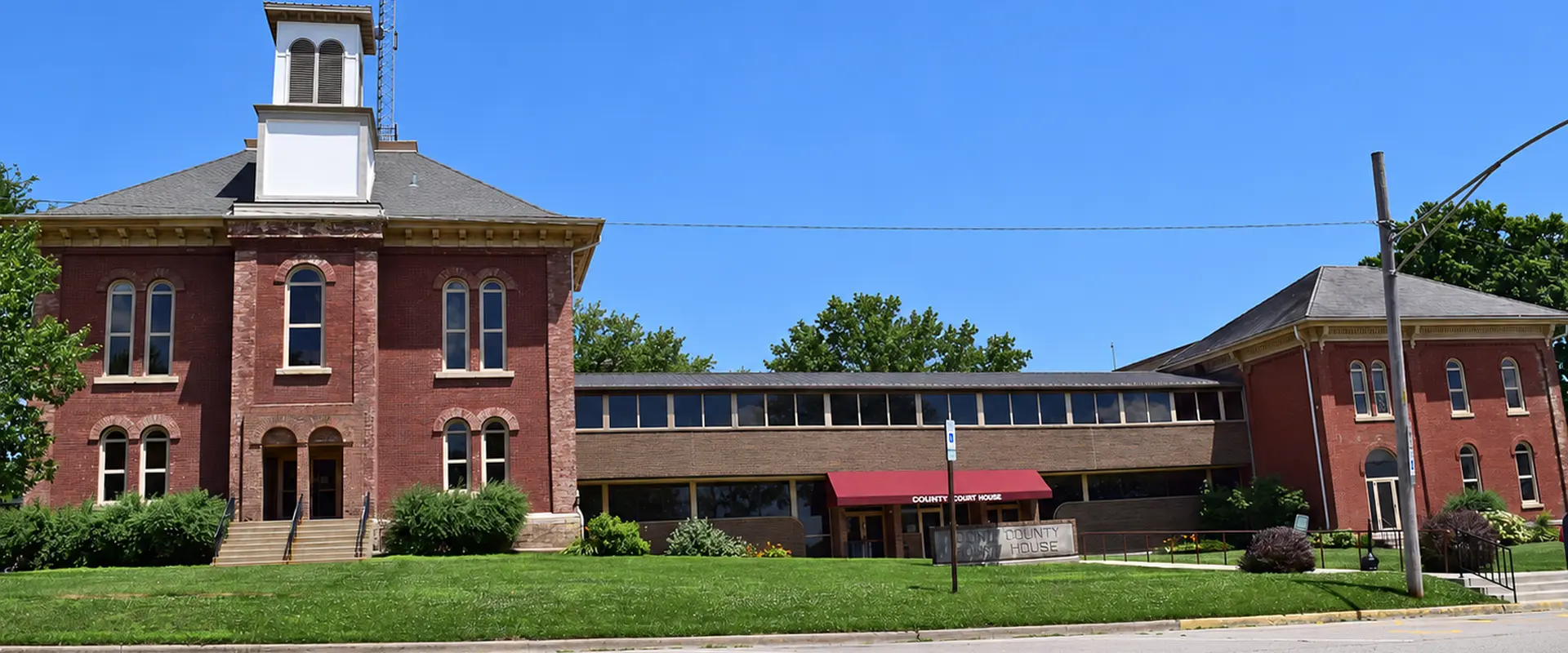
The 17th Judicial Circuit has 22 judges: 9 elected circuit judges and 13 associate judges, appointed to serve the people for 4 years. Boone County has one elected judge who serves it alone, and the rest of the judges are shared with neighboring Winnebago County. The Boone County Courthouse is where most legal matters are handled. The administration is handled by the Circuit Clerk, who oversees filing and records for the county courts.
Types of Courts in Boone County, Illinois

Boone County operates under the State of Illinois unified court system, meaning it does not have many separate trial-level courts serving the people. Instead, it has a single Circuit Court with separate divisions, each with its own responsibilities. Understanding the role of each division will make it easy for citizens who are seeking justice for themselves or for the people close to them.
 Civil Division
The Boone County Civil Division handles noncriminal disputes between individuals, businesses, or organizations. The seriousness of the matter is determined by the amount of dollars in question and the complexities involved in the case. The Civil Division handles things like:
- Contract disputes
- Propery issues
- Personal injury claims
- Landlord-tenant disputes
- Collection matters
Cases in the Civil Division are divided according to the amount of money involved. For example, Small Claims cases are disputes involving amounts of $10,000 or less. These cases do not need a lawyer, and the processes are less formal. The rest of the major issues that exceed the threshold are handled through the full standard civil process, which involves more formal procedures.
 Criminal Division
The Criminal Division handles serious felony cases and misdemeanors in Boone County. It has jurisdiction over:
- Aggravated assaults
- Drug trafficking
- Burglary
- Petty theft
- Disorderly conduct
- Traffic offenses with criminal charges like DUI
The prosecution of criminal cases is done by the Boone County State's Attorney's Office. The seriousness of such cases requires legal representation to avoid costly mistakes. To ensure that the people get one, those who cannot afford one can apply to be assigned a public defender. The division has a Probation Department that supervises offenders sentenced to community service rather than incarceration.
 Family Division
People in Boone County with legal issues involving children and family should take them to the Family Division. The division covers:
- Divorce and legal separation
- Child custody
- Parenting time disputes
- Child support enforcement
- Adoption
- Protection orders
- Domestic relations issues
In most cases, people who are going through a family law issue face a lot of emotional stress, creating the need to create a support system, especially for those who do not have lawyers. Boone County has a Legal Self-Help Center at the courthouse that provides procedural help, but not legal advice on specific issues. Lastly, people can benefit from the Mediation Services provided by the 17th Judicial Circuit Court.
 Probate Division
The Probate Division is the one that handles legal matters related to the estates of deceased people. It takes care of administering the estate of the deceased or dividing property when no will was left. The court is responsible for handling:
- Estates issues
- Guardianship cases
- Conservatorship matters
Guardianship cases can involve the appointment of a legal guardian for a minor or for a person who is incapacitated and lacks the capacity to make sound decisions for themselves.
 Juvenile Division
This is the division that handles cases involving minors. They can be delinquency cases, where minors have committed offenses that would be termed criminal if they were adults. The dependency issues are the ones that involve the rights of minors who have been abused or neglected. In the Juvenile Division, in delinquency cases, the main goal is rehabilitation, not punishment; the court focuses on safeguarding the future of the children involved. In most cases, records in this court are sealed to protect the privacy of the minors.
 Traffic Division
The people involved in routine traffic violations are most likely to interact with the Traffic Division. It handles:
- Speeding tickets
- Minor moving violations
- Traffic citations
The division does not handle criminal matters, such as DUI, as they are transferred to the criminal division. Fines can be paid online through the ePay Portal or in person at the Circuit Clerk's Office. It also offers options like a court hearing for people who want to contest the ticket.
Primary Location: Boone County Courthouse
How to Access Boone County Court Records

Court records in Boone County are generally considered public records, meaning they are freely available to the public. But the rule has a few exceptions for sealed cases, such as those involving juveniles and certain family court records, for privacy purposes. Also, some records are restricted by a judge within legally accepted reasons. Access to the records can be either online or in person, depending on restrictions for the case type.
 Online Access
The first place people should check when trying to access court records is the re:SearchIL portal, which allows them to search for records from the comfort of their homes. The portal provides them with access to civil, criminal, traffic, and probate cases across more than 82 counties in Illinois. All people need to do is search for details using a case number, party name, or attorney name, and they can access what they need with ease. Also, re:SearchIL can be a good option for people dealing with matters at the Illinois Supreme Court level.
 Alternative Online Options
Apart from the official court websites, people can also access the courts through third-party tools like CourtCaseFinder that offer broader search options. The tool aggregates information from various official court sites and puts it together on a single platform, giving people a place to find information across counties in Illinois and beyond. With this option, they do not have to endure the stress of searching multiple court sites to find specific information. After getting what they want, they can verify the most recent information from the official court site.
 In-Person Requests
As convenient as online options are for searching court records, some records are sealed or restricted and cannot be accessed online. In such cases, in-person requests become the most relevant access option. The Circuit Clerk's Office is the place to visit when seeking to obtain records in person. Also, the method is viable when one is trying to locate certified records for official use. Charges are listed on the first page: $2 for the first page and $0.5 per additional page. Those who need a name search will part with $6 per name and should wait up to six weeks for the results, which are usually sent via email.
 Archived Records
In most cases, older cases filed before the launch of the digital system in August 1993 are not available through online options. To access them, one needs to visit the courthouse in person and can be assisted with the physical case files, paper indexes, and microfilm resources dating back to 1837. Anyone interested in search records should plan for a longer visit because of the time required to access such records. It is important to note that some records might not be accessible depending on the time period they have existed and the case type. Researchers may want to contact the Circuit Clerk's Office for help or information in anticipation of a visit.
For Attorneys and Legal Professionals
Lawyers and legal professionals in Boone County can benefit from access to re:SearchIL. The site is subscription-based and very helpful to judges and lawyers who may need information on multi-county dockets, document retrieval, and personalized docket management. The management service enables attorneys to stay on top of their game by preparing for cases in advance.
Also, attorneys in Boone County can take advantage of the available services offered by the Circuit Clerk's Office. Specifically, the text and email reminders for upcoming court dates are offered. The tool can help prevent missed appearances, which can have serious consequences, such as a default hearing and the issuance of a warrant of arrest. Lastly, Boone County allows remote appearances via Zoom with specific meeting IDs assigned to each courtroom.
How to File a Case in Boone County

Boone County allows its people to file cases even when they cannot afford a lawyer. Such people might have difficulty, especially if they lack prior experience or knowledge of the courts. To simplify the process, the steps below guide them.
 Step 1: Choose the Correct Court
When someone wants to file a case, they must identify the appropriate court to handle their specific matter. In Boone County, people do not have to choose a court because the county is unified under a single Circuit Court that handles all trial-level matters. But they are required to choose the division that deals with the specific issue. Specifically, the Civil Division, Criminal Division, Family Division, Probate Division, Juvenile Division, and Traffic Division are the options available. Choosing the right court is the first step towards successfully filing a case.
 Step 2: Complete Required Forms
The type of case one is filing determines which forms they must complete. Illinois has made the forms available to the public on the Illinois Court Website, on the forms page. Also, Boone County ensures its people get the right forms through the Boone County Legal Self-Help Center. In cases involving complex matters that require pleading, it is advisable to retain an attorney to help draft the pleadings rather than use standardized forms.
 Step 3: File the Case
Once one has completed the forms-filling process, the next task is to submit them to the Circuit Clerk's Office. The office is located at the Boone County Courthouse and has staff who are always ready to assist the citizens through the process without offering specific legal advice. Ensure that the clerk assigns a case number and stamps the documents. The number should be kept safely, as it is the one needed to track the case going forward. Also, the people can use the eFiling option to submit their cases online.
 Step 4: Pay Filing Fees
The fee one pays when filing a case varies depending on the type of case and the complexities involved. In most cases, small claims matters are less expensive than larger civil matters. Before filing, one should take time and check the fee schedule provided by the Circuit Clerk's Office to verify the exact amount. The fee is payable in person or online through the ePay Portal. Those who cannot afford the fee may apply for a Waiver of Court Fee.
 Step 5: Serve the Other Party
A case filing process is not considered complete until the other party is aware of the lawsuit. The method used to serve the other party varies depending on the type of case. In Boone County, the Sheriff's Office serves civil cases at a fee. Also, the process can be done by a private process server or by certified mail. Ensuring it is done legally is a must to avoid dismissal. The court can only proceed with the case after proof of service has been filed.
 Step 6: Monitor the Case
Once a case has been filed and the other party is aware, the judge sets the court dates that must be adhered to. To avoid missing any case dates, people can monitor their case through the re:SearchIL portal, which provides access to case index information by searching with simple details such as the case number, party's name, and lawyer's name. Missing a court case can have serious consequences, such as a default judgment or a warrant of arrest.
Boone County Courthouse Directory
Navigating court procedures can be much easier if one has the contact information for specific court divisions and offices. In Boone County, all the divisions and courts are at the Boone County Courthouse.
Boone County Courthouse
The courthouse hosts the Circuit Court and its divisions. All the court offices, including that of the Circuit Court Clerk's office, are also housed here.
Belvidere
Address: 601 N. Main Street, Belvidere, IL 61008
Phone: (815) 544-0371
Website: Boone County Circuit Court
Legal Help and Self-Help Resources
Self-represented litigants and new users might be confused by all the legal requirements when requesting judicial services, particularly the filing process. For an easy process, people can consider the legal support options below.
 Free Legal Assistance
Eligible candidates can sign up for the organizations below to get legal support and education:
- The Illinois Legal Aid Online is a good option for people in Boone County because it provides legal information and a plain-language guide on how to fill out the forms.
- The Prairie State Legal Service offers free legal services to qualified residents. Those of low income have a higher chance of qualifying.
- The Illinois Armed Forces Legal Aid Network serves former and current military members by providing legal information and advice.
 Local Legal Support
There are also local support services closer to residents in Boone County. They include:
- The Boone County Legal Self-Help Center, located at the county courthouse, offers legal information and referrals to low-cost attorneys to the people. The staff can assist with procedures, but does not offer legal advice.
- The Boone County Bar Association is a valuable resource that offers lawyer referral services to the public. In most cases, lawyers offer a low-cost or free initial consultation.
FAQs
How do I look up a court case in Boone County?
The simplest and most popular method people in Boone County use to access court records is the re:SearchIL portal, which allows them to search for records from the comfort of their homes. The portal provides them with access to civil, criminal, traffic, and probate cases across more than 82 counties in Illinois.
How much does it cost to get a copy of a court document?
The fees required to obtain a copy of a court document depend on whether it is a standard or certified copy. The standard ones cost $2 for the first page and $0.5 per additional page. Certified copies incur an additional certification fee. Those who need a name search will part with $6 per name and should wait up to 6 weeks for the results, which are usually sent via email.
Are court records public in Boone County?
Yes. The majority of the court records in Boone County are public, meaning they are accessible to the public. But the rule has a few exceptions for sealed cases, such as those involving juveniles and certain family court records, for privacy purposes. Also, some records are restricted by a judge within legally accepted reasons.
What happens if someone misses a case date in Boone County?
Court dates are taken seriously, and one should not miss them intentionally. If one misses for a good reason, it is advisable to call the court or the attorney, who will advise on the next step. Missing a court date can lead to serious consequences, including default judgment or a judge issuing a warrant of arrest.
When is it helpful to use a third-party records finder?
Third-party tools like CourtCaseFinder offer an alternative to accessing court records for the people of Boone. The tool aggregates information from various court sites in Illinois and beyond, putting it in one place for broader search. The tool is very useful for people who are unsure which court a case was filed in.
Other Counties in Illinois
- Adams
- Alexander
- Bond
- Brown
- Bureau
- Calhoun
- Carroll
- Cass
- Champaign
- Christian
- Clark
- Clay
- Clinton
- Coles
- Cook
- Crawford
- Cumberland
- Dekalb
- Dewitt
- Douglas
- Dupage
- Edgar
- Edwards
- Effingham
- Fayette
- Ford
- Franklin
- Fulton
- Gallatin
- Greene
- Grundy
- Hamilton
- Hancock
- Hardin
- Henderson
- Henry
- Iroquois
- Jackson
- Jasper
- Jefferson
- Jersey
- Jo Daviess
- Johnson
- Kane
- Kankakee
- Kendall
- Knox
- La Salle
- Lake
- Lawrence
- Lee
- Livingston
- Logan
- Macon
- Macoupin
- Madison
- Marion
- Marshall
- Mason
- Massac
- Mcdonough
- Mchenry
- Mclean
- Menard
- Mercer
- Monroe
- Montgomery
- Morgan
- Moultrie
- Ogle
- Peoria
- Perry
- Piatt
- Pike
- Pope
- Pulaski
- Putnam
- Randolph
- Richland
- Rock Island
- Saint Clair
- Saline
- Sangamon
- Schuyler
- Scott
- Shelby
- Stark
- Stephenson
- Tazewell
- Union
- Vermilion
- Wabash
- Warren
- Washington
- Wayne
- White
- Whiteside
- Will
- Williamson
- Winnebago
- Woodford
Table of Contents
